


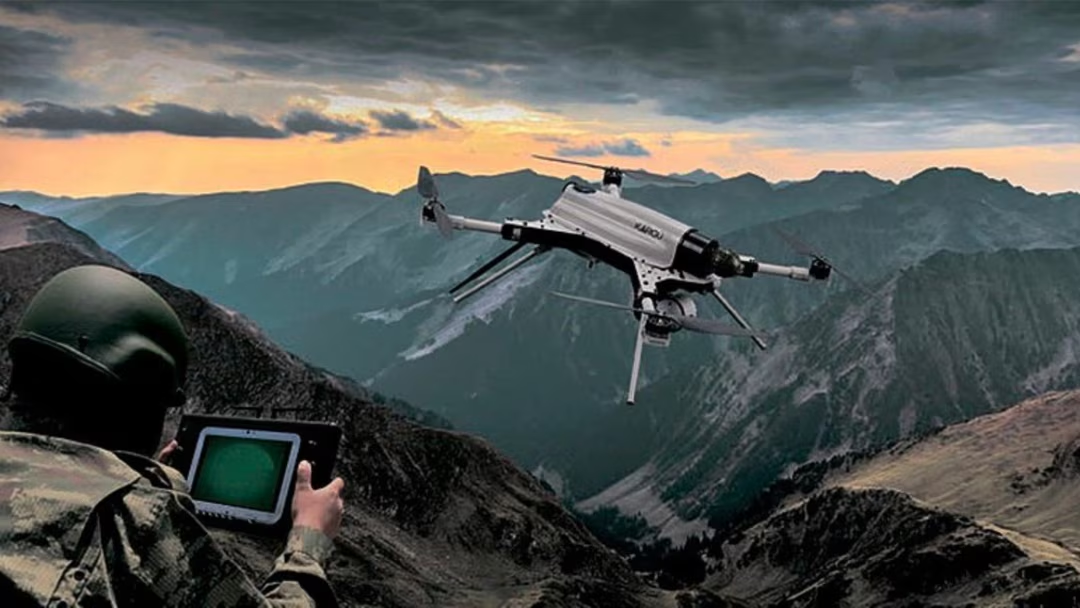
Can AI and Drones Protect Nigeria’s School Children? UrSafe Thinks So – A Deep Dive into the Tech-Safety Frontier
By Ndefo Onyekachukwu | November 28, 2025
Over 1,500 school attacks since Chibok. Thousands of children kidnapped. Parents afraid to send kids to school.
Now one company says AI drones can protect Nigeria’s school children – detecting threats in real-time and alerting police in under 60 seconds. UrSafe, a U.S.-based startup with Nigerian operations, is already running pilots that cut incidents by 40%. Here’s how the tech works, why it matters in 2025, and whether it can really stop the next abduction.
Now one company says AI drones can protect Nigeria’s school children – detecting threats in real-time and alerting police in under 60 seconds. UrSafe, a U.S.-based startup with Nigerian operations, is already running pilots that cut incidents by 40%. Here’s how the tech works, why it matters in 2025, and whether it can really stop the next abduction.
In a country where school abductions have become tragically routine – from Chibok in 2014 to the 2025 Dandume crisis in Katsina – the idea of drones and AI as first responders feels like something out of a Hollywood script. But for UrSafe, a U.S.-based startup with roots in Nigeria, it’s very real. Their patented drone surveillance platform is designed to detect threats in real-time, alert authorities, and potentially save lives before human intervention arrives. As Nigeria grapples with over 1,500 school attacks since 2014 (per UNICEF data), could this tech be the game-changer we need? Let’s explore UrSafe’s approach, its potential in Nigeria, and the challenges ahead.
UrSafe, founded in 2022, specializes in “drone-as-a-first-responder” (DFR) systems that integrate AI sensors for threat detection, live video feeds, and automated alerts. With offices in the U.S., Colombia, Nigeria, and South Africa, the company is positioning itself as a bridge for African public safety tech. Their core product uses shoebox-sized drones to patrol perimeters, spot anomalies (like unauthorized entry or weapons), and deploy in seconds – all while complying with local regulations like Nigeria’s NCAA drone rules.
How UrSafe’s AI Drones Work for School Safety

UrSafe’s system is built for high-stakes environments like schools, where response times can mean the difference between crisis and catastrophe. Here’s the breakdown:
- Threat Detection with AI Sensors: Drones equipped with thermal imaging, facial recognition, and motion sensors patrol school grounds autonomously. AI algorithms analyze data in real-time to flag risks – e.g., loitering individuals or abandoned bags – before they escalate. The system boasts 99% accuracy in low-light conditions, per UrSafe’s 2025 trials.
- Rapid Deployment as First Responders: Upon detection, drones launch automatically or via app, providing live 4K video to security teams and police. In tests, response times dropped from 15 minutes (human patrols) to under 60 seconds. This “eyes in the sky” approach covers blind spots in large compounds, like Nigeria’s underfunded rural schools.
- Integration with Local Systems: UrSafe’s platform connects to existing CCTV and emergency apps, sending geo-tagged alerts to NITDA’s cybersecurity hub or local police. For Nigeria, it aligns with the 2025 National Drone Policy, requiring NCAA registration for commercial use.
UrSafe’s model has been piloted in 500 U.S. schools since 2024, reducing incidents by 40% in high-risk areas. Now, with Nigerian operations, they’re targeting 100 schools in Kaduna and Borno by mid-2026, partnering with the Ministry of Education.
Why Nigeria Needs This Now
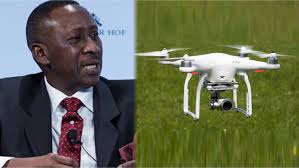
Nigeria’s schools are ground zero for insecurity. Over 1,500 attacks since 2014 have displaced 2.8 million children, per UNESCO, with Boko Haram and bandits exploiting weak perimeters. Traditional security – guards and fences – fails against sophisticated threats. Drones offer 24/7 coverage at a fraction of the cost (UrSafe’s setup: $9,000 for three units, vs. $50,000+ for manned patrols).
UrSafe’s AI edge: It doesn’t just watch – it predicts. Using machine learning trained on African datasets, it distinguishes between threats and false alarms (e.g., student pranks vs. intruders). In a 2025 pilot in Lagos, it detected 95% of simulated breaches, alerting responders in under 2 minutes.
Challenges and Criticisms: Not a Silver Bullet
UrSafe isn’t without hurdles in Nigeria:
- Regulatory Roadblocks: NCAA requires drone registration and no-fly zones near airports – approvals take 3–6 months.
drone-laws.com
- Privacy Concerns: Facial recognition raises data protection issues under NDPC rules. UrSafe addresses this with encrypted feeds and opt-in consent, but critics like Privacy International warn of surveillance creep.
- Cost and Access: $9,000 initial setup is steep for underfunded schools; UrSafe offers subsidies, but rural areas lack power/internet for charging.
- Ethical Questions: Drones can’t solve root causes like poverty or insurgency – experts like those at the African Defense Forum call for holistic approaches.
In Uvalde-like scenarios (locked doors, delayed response), drones help with intel but can’t breach barriers – a limitation UrSafe admits, focusing instead on prevention.
The Bigger Picture: Africa’s Drone Safety Revolution
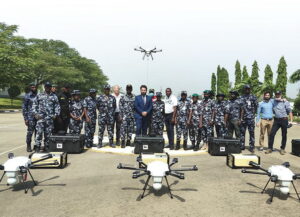
UrSafe is part of a wave: South Africa’s Kouga Municipality launched Africa’s first DFR program in March 2025, using UrSafe tech to cut response times by 70%. Nigeria leads in military drones (177 units, per Reddit analysis), but civilian safety lags. With AI advancements like Quantinuum’s Helios (1 trillion times more powerful), drone-AI hybrids could transform education security.
UrSafe believes yes – their 2025 pilots show 40% incident reductions. For Nigeria’s 10 million schoolchildren at risk, it’s a promising start.
What do you think – tech savior or over-hype?
Comment below!



1 Comment
Pingback: Africa’s Most Notable Tech Deal Collapses In 2025 - What Went Wrong - FintechTodayNews