

Google Maps Will Now Automatically Save Your Location Data – Why This Matters in Nigeria’s Security Crisis
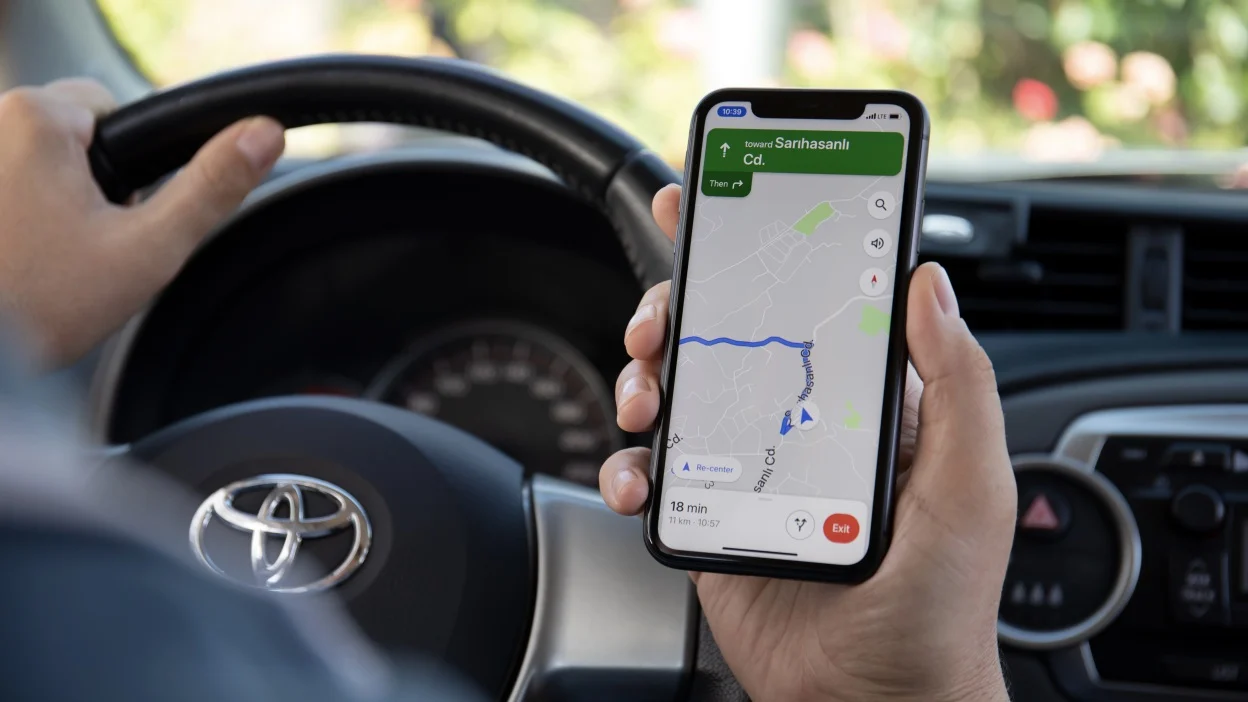
In December 2025, Google rolled out a major update to Google Maps: your real-time location will now be automatically saved and securely stored on your device, giving users faster access to their movement history and emergency-relevant information.
While the feature was designed globally for travel convenience, navigation accuracy, and personalized recommendations, its impact in countries facing security challenges — especially Nigeria — is far more profound.
With rising cases of bandit attacks, kidnappings, ambushes, rural raids, and Boko Haram activities, digital location tracking has quietly become a life-saving tool. In many local incidents, survivors, families, journalists, and security agencies have relied on digital footprints to retrace movements, validate timelines, and coordinate rescue efforts.
This new automatic-saving update, therefore, arrives at a critical moment for Nigeria.
What Exactly Is Google Maps Changing?
Previously, Google Maps offered “Location History,” but users had to manually enable it. Many didn’t even know the feature existed. Now:
- Location data saves automatically (but locally, not to Google’s servers by default).
- You can access your route history—even without internet—in case of emergencies.
- Time-stamped movement logs help verify where you were at a particular moment.
- Users have full control: they can delete, export, encrypt, or pause tracking.
Google says the upgrade is part of a larger shift to device-based location intelligence, prioritizing user control and privacy.
But in a country like Nigeria, this change goes beyond convenience — it intersects directly with personal safety.
Nigeria’s Security Landscape Makes This Update Especially Important
Nigeria has battled multiple forms of insecurity in 2024–2025:
1. Bandit Attacks on Highways
Reports across Zamfara, Kaduna, Niger, Katsina, and Kogi include:
- Travelers ambushed on inter-state roads
- Commercial drivers forced into the bush
- Vehicles burnt or abandoned
- Hostages taken for ransom
In many cases, survivors stated they lost track of their exact location after being driven into remote forests. Without coordinates, families could not alert authorities effectively.
2. Boko Haram & ISWAP Raids
In parts of Borno and Yobe:
- Villages have been hit suddenly at night
- Residents flee without phones or power
- Displaced persons try to recall travel routes to safety
Tracing the path of escape has often been difficult, especially for children and elderly people.
3. Kidnappings in Semi-Urban Areas
From Abuja outskirts to communities near Ibadan and Port Harcourt, kidnappers increasingly operate in:
- Bush paths
- Uncompleted buildings
- Unmapped rural shortcuts
Authorities often ask victims or families for movement history, but many Nigerians have never used location services.
Google’s new update could change this.
How Automatic Location Saving Can Help Nigerians
1. Emergency Tracking for Family & Security Forces
In crisis situations, movement logs can:
- Reveal the last known location
- Show the direction of travel
- Provide time-stamped checkpoints
- Help security agencies know where to begin a search
Even when the phone is switched off, previous data remains recoverable.
2. Investigative Reporting & Fact-Checking
At FintechTodayNews.com, our research team has tracked patterns of highway attacks using:
- Satellite mapping
- Crowdsourced location reports
- Timeline reconstruction
When victims have location data, the accuracy of incident mapping improves significantly, helping journalists spotlight dangerous routes and pressure authorities.
3. Safer Inter-State Travel
Transport unions, logistics startups, and ride-hailing operators can:
- Monitor driver routes
- Detect detours into dangerous terrain
- Provide real-time alerts during emergencies
Fleet-management systems can now integrate Google’s device-based logs more easily.
4. Personal Record for Legal & Insurance Cases
Location logs can support:
- Accident investigations
- Court cases
- Insurance claims
- Workplace travel verification
In countries with weak documentation systems, digital trails play a crucial role.
Privacy Concerns – and Why Nigerians Should Still Use It Carefully
Google stresses that the update does not automatically send your location to Google’s servers. Everything is stored locally on the phone unless you choose to back it up.
However, Nigerians must remain aware of:
- Phone theft
- Spy apps installed by partners or employers
- Over-permissioned mobile apps
- Unsecured phones with no lock screen
To minimize risks:
- Use a strong passcode
- Enable 2-factor authentication
- Regularly delete history if you don’t need it
- Review your app permissions
- Encrypt your device storage
Digital safety must accompany physical safety.
A New Trend: Smartphone Data as Evidence in Kidnapping and Banditry Cases
Recent Nigerian cases show a rising pattern:
- A kidnapped student in Kaduna was rescued after her phone’s movement data traced the route her abductors took.
- In Plateau, investigators used a victim’s Google Maps timeline to identify an abandoned camp.
- A Lagos missing-person case was solved after authorities accessed the individual’s last recorded coordinates.
These cases highlight a reality: location data has become the new “digital eyewitness.”
With Google’s automatic saving, more Nigerians will have this silent witness recording their movements.
How to Check if Your Location Is Being Saved
- Open Google Maps
- Tap your profile picture
- Select Your Timeline
- Choose Settings & Privacy
- Look for Location History
- Ensure “Save on this device” is enabled
You can also export your data for safekeeping.
How Media & Researchers Can Use This Update
For journalists, analysts, and researchers — including us at FintechTodayNews.com — automatic location saving opens new opportunities:
- Mapping high-risk routes for travelers
- Studying security patterns across states
- Verifying eyewitness accounts during incidents
- Supporting investigative reports with timestamped evidence
Data accuracy improves reporting, and better reporting improves public awareness — which ultimately improves safety.
Conclusion: A Small Update with Big Impact
On the surface, Google’s new auto-save feature looks like a minor convenience update. But in a country where insecurity disrupts daily life, your phone remembering where you’ve been could be the difference between confusion and clarity — or even danger and rescue.
As Nigeria continues to battle banditry, kidnapping, and insurgency, technology will remain a critical part of early warning, detection, and incident reporting systems.
For millions of Nigerians, the ability to track your movements is not just a tech setting — it’s a safety tool.
And as we continue monitoring Nigeria’s digital and security landscape at FintechTodayNews.com, we’ll keep highlighting technologies that genuinely improve lives.