

Should the UK Adopt an Under-16s Social Media Ban? Experts Weigh In
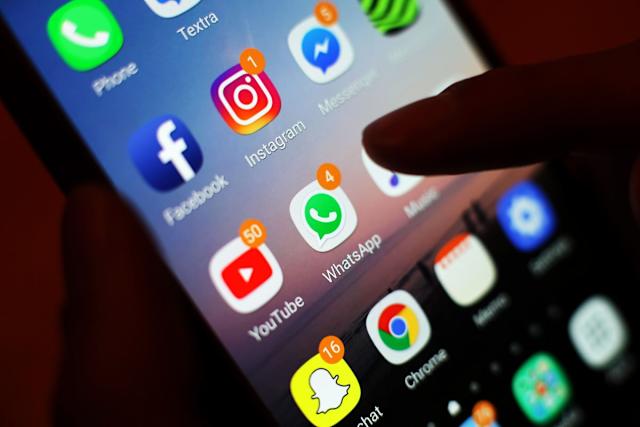
The UK is considering whether to follow Australia’s recent decision to ban children under 16 from holding social media accounts — a world-first law that came into effect on December 10, 2025 and requires platforms like TikTok, Instagram, Snapchat, X and Reddit to remove underage accounts or face heavy fines. (Sky News)
What Australia’s Ban Means
Australia’s law has already resulted in millions of teen accounts being deactivated and enforced age-verification measures for major platforms. Critics warn this has led young users to migrate to smaller, less regulated apps, potentially undermining safety goals. (Financial Times)
Expert Perspectives from the UK
In the UK debate, experts — including academics and researchers — argue that a straight ban could do more harm than good. They say that such a policy:
- Risks penalising children instead of addressing platform design flaws that expose minors to harmful content.
- May erode trust between young people and adults, discouraging them from reporting online abuse.
- Doesn’t necessarily improve wellbeing or academic outcomes, as evidence on phone bans in schools suggests mixed results. (The Independent)
Government Approach So Far
Unlike Australia, the UK government is currently focusing on the Online Safety Act — a regulatory framework aimed at holding platforms accountable for illegal or harmful content — rather than an outright ban. Officials have indicated that nothing is off the table, but any future age restriction would be guided by robust evidence and enforcement feasibility. (LBC)
Arguments in Favour of a Ban
Some UK policymakers and police figures argue that social media contributes to harmful behaviours among youth and that tighter restrictions — including an age limit — might curb exposure to violence, radicalisation, and harmful content. Supporters believe that, like Australia, stricter rules could protect young users. (The Guardian)
Concerns and Unintended Consequences
However, critics — including child safety organisations and UK charities — label Australia’s approach a “retrograde step”, warning that banned users may migrate to less secure digital spaces, and that the root causes of online harm lie in platform algorithms and weak moderation practices, not access alone. (The Guardian)
Teenagers’ Views
Young people themselves have expressed that a blanket ban is neither practical nor effective, and instead call for improved safety standards, education on digital risks, and platforms that are designed with youth wellbeing in mind. (The Guardian)
Key Takeaways
For a UK ban:
- Could reduce exposure to harmful content and addiction risks.
- Signals strong government action on youth digital safety.
Against a UK ban:
- May push teens toward unregulated platforms or VPN use.
- Does not address deeper issues like moderation quality or online harassment.
- Risks limiting young people’s autonomy and voice.
Conclusion
The debate in the UK reflects a broader global discussion on how best to protect children online. While Australia has taken a bold legislative approach by banning under-16s from social media accounts, experts in the UK caution that nuanced, evidence-based strategies — including improved regulation, digital literacy, and platform accountability — may be more effective than an outright ban.