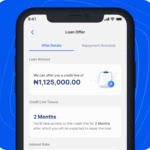



FairMoney Disburses ₦150bn in Loans, Pays Over ₦7bn Interest on Savings
FairMoney Microfinance Bank (MFB) has disclosed that it disbursed more than ₦150 billion in loans over the past year, while paying over ₦7 billion in interest to customers who saved on its platform, underscoring the fintech’s growing role in Nigeria’s digital banking and credit ecosystem.
The milestone highlights FairMoney’s dual focus on credit access and savings mobilisation, at a time when Nigerians are increasingly turning to digital financial platforms for fast loans, competitive savings returns, and convenient banking services.
Expanding Access to Credit
FairMoney’s loan disbursement figures reflect sustained demand for short-term and consumer credit amid Nigeria’s challenging economic environment, marked by inflationary pressures and reduced purchasing power.
Through its mobile-first lending model, the fintech provides instant loans to individuals and small businesses, leveraging data-driven credit assessment to reach customers who may be underserved by traditional banks.
Industry analysts note that digital lenders like FairMoney are helping to bridge Nigeria’s credit gap, particularly for salary earners, gig workers, and micro-entrepreneurs who often face lengthy approval processes at conventional financial institutions.
Rising Savings Culture on Digital Platforms
In addition to lending, FairMoney said it paid more than ₦7 billion in interest to users who saved money on its platform over the same period. This reflects a growing appetite among Nigerians for high-yield digital savings products, especially as households seek to protect the value of their money in a high-inflation environment.
The fintech offers savings products with competitive interest rates, flexible withdrawals, and no physical branch requirements—features that have helped attract millions of users across the country.
Strengthening Its Position as a Digital Bank
FairMoney, which operates as a licensed microfinance bank, has continued to expand its product offerings beyond loans and savings to include bill payments, transfers, debit cards, and other everyday banking services.
The latest figures suggest the company is strengthening its position as a full-service digital bank, competing directly with both traditional banks and other fast-growing fintech players in Nigeria’s crowded financial services market.
Outlook for Nigeria’s Fintech Lending Market
As regulators tighten oversight of digital lenders and consumers become more discerning, fintech are under pressure to balance rapid growth with responsible lending and customer trust.
FairMoney’s disclosure of loan and savings payouts signals a push for greater transparency, as fintech firms increasingly publish performance metrics to reassure regulators, investors, and users.
With digital financial services adoption continuing to rise, analysts expect competition in Nigeria’s fintech lending and savings space to intensify in the coming year.
FAQ
How much did FairMoney disburse in loans over the past year?
FairMoney disclosed that it disbursed more than ₦150 billion in loans during the period under review.
How much interest did FairMoney pay to savings customers?
The fintech said it paid over ₦7 billion in interest to users who saved money on its platform.
What services does FairMoney offer?
FairMoney provides instant loans, savings products, transfers, bill payments, debit cards, and other digital banking services.
Is FairMoney a licensed bank in Nigeria?
Yes. FairMoney operates as a licensed microfinance bank (MFB) regulated by the Central Bank of Nigeria.
Why are Nigerians using fintech savings platforms more?
Many Nigerians are attracted by higher interest rates, ease of access, and convenience compared to traditional savings options.