

Bridging Africa’s Digital Divide: GSMA’s Push for Affordable Smartphones and Inclusive Connectivity in 2025
Across Africa, an estimated 600 million people live within reach of 3G or 4G networks but have never gone online. The culprit, according to Angela Wamola, Head of GSMA Africa, isn’t poor coverage or flawed policies—it’s the stark reality that smartphones remain prohibitively expensive for the average African consumer. In a bold response, the GSMA launched a continent-wide initiative last month at MWC Kigali 2025, partnering with operators and manufacturers to deliver entry-level 4G smartphones priced between $30 and $40—a price point that could spark one of the largest digital inclusion movements in history.
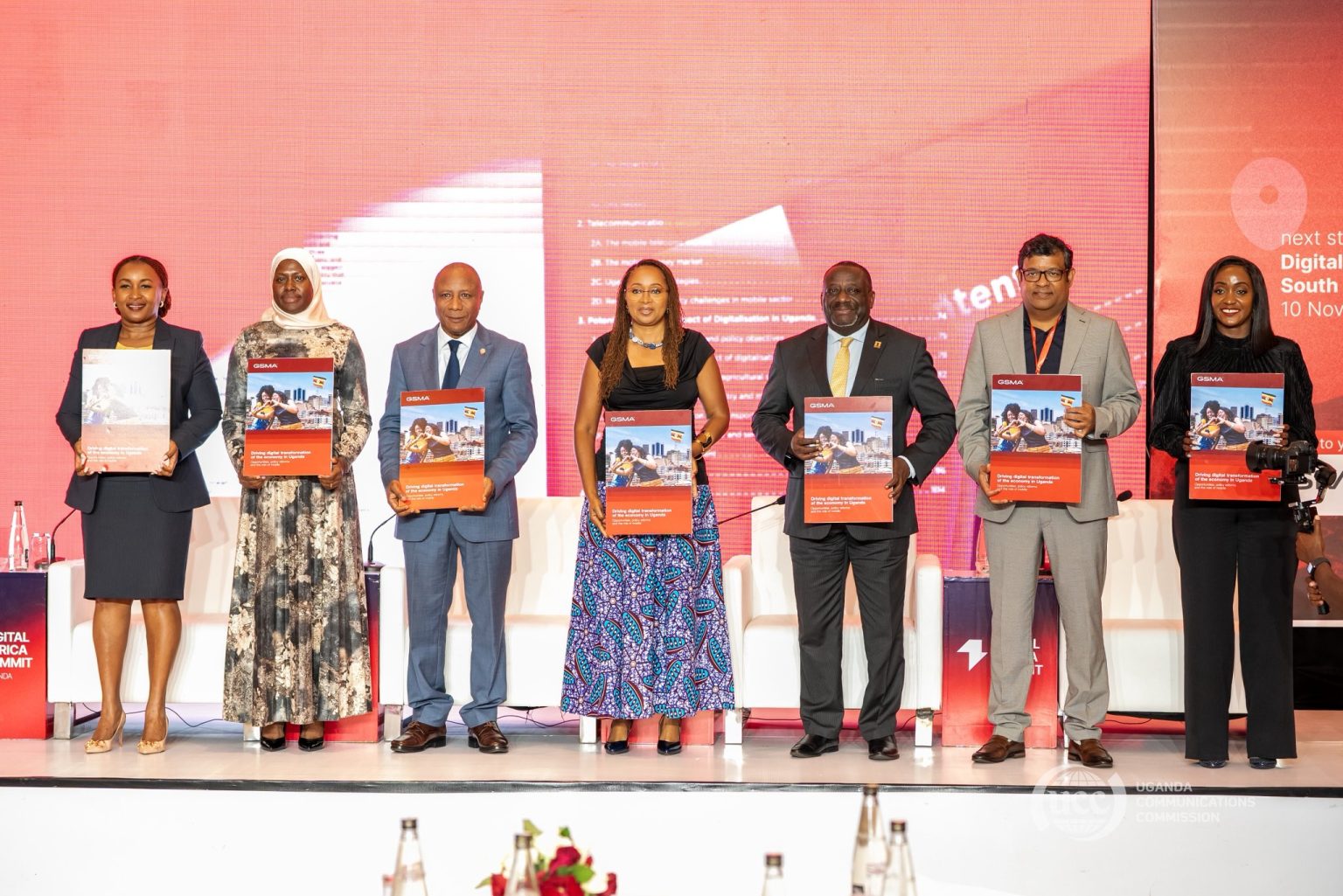
Wamola’s vision extends beyond hardware: it’s about creating a “digital Africa” where affordability, literacy, relevance, and trust converge to turn coverage into participation. “The barrier is simple, but the solution requires collective action,” Wamola emphasized in a recent TechAfrica News interview. With GSMA’s new reports—”Accelerating Smartphone Adoption in Africa” and “Enabling Smart Manufacturing in Africa”—outlining a roadmap for progress, 2025 could mark a turning point for the continent’s 616 million broadband-covered yet offline population.
Affordability: The Continent’s Biggest Digital Hurdle
GSMA’s research identifies affordability as the primary obstacle, with entry-level smartphones consuming 26% of the median African monthly income (around $800), rising to 64% for the bottom 40% and over 80% for the poorest 20%. Taxes and duties exacerbate this, adding 30–40% to final prices in many countries. In Nigeria, for instance, import duties and VAT push a $50 device to $70–$80, pricing out millions in rural areas.
South Africa’s February 2025 tax reforms—removing ad valorem duties on devices under R2,500 (~$130)—serve as a blueprint, boosting adoption by 15% in six months. GSMA is calling on other nations to follow suit, using its Digital Africa Index to benchmark policies and demonstrate how reduced taxes expand the tax base through increased productivity. “When a device costs nearly your entire salary, it’s not a choice—it’s exclusion,” Wamola told Connecting Africa at MWC Kigali.
The initiative proposes minimum specs for these $30–$40 devices: 4G capability, reliable battery life, adequate memory for basic apps, and support for AI features like voice translation. Partners include six major operators—Airtel Africa, Axian Telecom, Ethio Telecom, MTN, Orange, and Vodacom—aiming to scale production and distribution.
Beyond Devices: Literacy, Relevance, and Trust
Affordability is just one pillar of GSMA’s four-barrier framework. Literacy gaps mean many potential users lack skills for apps in education or finance. Relevance is addressed through local content—e.g., Swahili or Yoruba interfaces—and trust via secure data practices. Wamola stresses AI’s role: “In the age of AI, people can speak Zulu into a device and interact seamlessly, leapfrogging literacy barriers.”
For 2026, GSMA forecasts AI-driven tools will connect 100 million more Africans, but only if devices are accessible. Reports project $170 billion in GDP gains by 2030 from closing the 60% usage gap, with smart manufacturing adding $50 billion through digital factories.
Calls to Action: Policy Reforms and Partnerships
GSMA urges governments to:
- Cut taxes on sub-$100 devices.
- Release spectrum for 5G/IoT.
- Invest in digital skills via programs like Mission 300 (electrifying 300 million Africans).
Industry collaborations, like MTN’s Design-to-Cost program, are vital. Wamola highlights India’s Digital India as a model: “Large-scale adoption transforms economies—Africa can do the same.”
Why This Matters for Nigeria and Africa
In Nigeria, where 70% of mobile users cling to 2G/3G, affordable 4G devices could unlock fintech (e.g., PalmPay remittances) and e-learning. GSMA’s push aligns with CBN’s inclusion goals, potentially adding $10 billion to Nigeria’s GDP by 2030.
The $30–$40 smartphone isn’t just a gadget—it’s a gateway to Africa’s creative digital economy.
What do you think—will this initiative finally bridge the divide? Comment below!
Sources:
- Connecting Africa: MWC Kigali 2025 – GSMA’s Angela Wamola on Inclusive AI and Affordable Phones (Nov 4, 2025)
- TechAfrica News: Bringing Every African Online – GSMA’s Angela Wamola (Nov 24, 2025)
- GSMA Newsroom: GSMA Research Charts a More Inclusive Digital Future for Africa (Nov 10, 2025)
- Communications Today: GSMA Research Charts a More Inclusive Digital Future for Africa (Nov 11, 2025)
- IT-Online: Charting a More Inclusive Digital Future for Africa (Nov 10, 2025)
- GSMA Newsroom: New GSMA Report Launches at Digital Africa Summit Ghana (Sep 4, 2025)
- PCTechMag: GSMA: Africa’s Digital Future Hinges on Connectivity and Affordability (Nov 13, 2025)
- GSMA Newsroom: Powering Progress through Connectivity (Nov 7, 2024 – updated 2025)
- TechAfrica News: EP.05 GSMA’s Angela Wamola on Africa’s Path to Inclusive Connectivity (Jun 3, 2025)
- TechAfrica News: From Policy Reform to Device Affordability – GSMA’s Roadmap (Jan 7, 2025)
Updated November 24, 2025. What’s your take on Africa’s smartphone affordability push?