


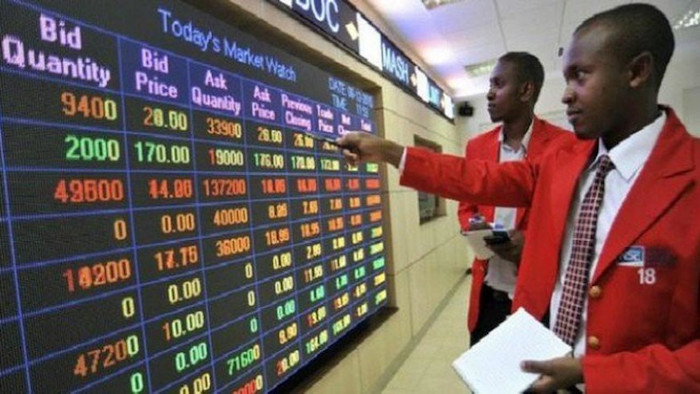
Overview of the Nigerian Equities Market
The Nigerian equities market holds a crucial position within the country’s financial landscape, reflecting the performance of various companies listed on the Nigerian Stock Exchange (NSE). With a market capitalization exceeding N20 trillion, the equities market serves as an essential indicator of economic health and investor interest. It facilitates capital raising, thereby enabling businesses to expand and ultimately contributing to economic growth. The NSE, established in 1960, operates as the principal platform for trading stocks and securities in Nigeria, providing a transparent and regulated environment for investors.
Recent trends indicate a fluctuating yet resilient nature of the market, particularly evident during notable economic events. Throughout 2023, the Nigerian equities market encountered several challenges, including inflationary pressures, currency depreciation, and political uncertainties, which dampened investor confidence. However, the market has demonstrated remarkable agility, with key sectors such as banking, telecommunications, and consumer goods showing significant activity. These sectors have not only contributed to trading volumes but have also attracted foreign direct investment, thereby enhancing overall market performance.
Leading up to December, investor sentiment gradually improved, driven by a combination of strong corporate earnings reports and positive macroeconomic indicators. This resurgence in confidence was further fueled by strategic monetary incentives implemented by the Central Bank of Nigeria aimed at stabilizing the economy. Consequently, the equities market began to stabilize, paving the way for a substantial recovery. The rebound witnessed in the first week of December, where the market regained N2. 44 trillion, highlights both the market’s dynamism and its capacity to rebound from earlier adversities, reinforcing its significance as a barometer for economic performance in Nigeria.
Factors Contributing to the Recovery
The Nigerian equities market experienced a notable resurgence, with a recovery of N2. 44 trillion in the first week of December. This rebound can be attributed to several interrelated factors that collectively influenced investor sentiment and market performance. Firstly, global economic trends played a crucial role. As international markets exhibited signs of stability, investors in Nigeria were encouraged to reassess their positions, leading to heightened buying activity. The influence of external markets, particularly those of developed nations, created a ripple effect, fostering optimism within local equities.
Additionally, local fiscal policies introduced by government authorities significantly bolstered market confidence. These policies aimed at enhancing economic stability and fostering growth reassured investors about the underlying strength of the Nigerian economy. Such measures included reforms targeting inflation control, currency stability, and fiscal discipline, which collectively contributed to a more favorable investment climate.
Corporate earnings reports released during this period further underscored the potential for growth within key sectors of the economy. Notably, firms in the financial services and consumer goods sectors reported impressive earnings, indicating resilience in operational performance despite prevailing economic challenges. These positive results acted as a catalyst, spurring interest from both domestic and foreign investors.
Shifts in investor confidence were also evident, driven by a return to risk appetite among market players. Following previous months of caution and prudence, there was a palpable enthusiasm for equities as attractive valuations emerged across various sectors. The resumption of trading activity, coupled with increased buyer enthusiasm, effectively fueled the stock market, leading to significant gains in market capitalization. Major stocks within the telecom, banking, and energy sectors, in particular, depicted strong growth trajectories, contributing markedly to the overall recovery.
Impact of the Rebound on Investors and the Economy
The recent rebound in Nigerian equities, which resulted in a recovery of N2. 44 trillion in the first week of December, has significant implications for both investors and the broader economic landscape. For retail investors, this recovery translates into improved portfolio performance, as many had faced declining values throughout earlier market fluctuations. The appreciation in equity prices not only enhances individual financial standings but also restores confidence in the market’s potential for growth. Institutional investors are similarly benefiting, as their diversified portfolios begin to reflect positive returns, reinforcing their strategies in an otherwise turbulent market environment.
Moreover, the resurgence in equities has sparked renewed interest from foreign investors, who had previously taken a cautious approach due to market volatility. Their increasing participation is pivotal; it not only injects much-needed capital into the Nigerian economy but also signals a vote of confidence in the nation’s economic outlook. Increased foreign investment can lead to more efficient markets and heightened competition, which ultimately benefits consumers through better products and services.
The potential advantages of this rebound extend beyond immediate financial gains. As investor confidence rebounds, the Nigerian economy stands to benefit from heightened capital inflow, which can catalyze job creation. Stronger equities can stimulate consumer spending as public sentiment improves, ultimately driving economic growth. However, it is essential to consider the risks associated with market volatility. Investors must remain cautious and adopt strategies that mitigate the impact of unforeseen market swings. Understanding market dynamics, diversifying investments, and staying informed about global economic indicators will be crucial for navigating these challenges ahead. As the market stabilizes, the prospects for both investors and the overall economy appear promising, particularly if this trend continues.
Future Outlook for Nigerian Equities
The recent rebound in the Nigerian equities market, which saw a recovery of ₦2. 44 trillion in the first week of December, has raised questions about its sustainability and future trajectory. Analysts suggest that while the immediate recovery is encouraging, it’s essential to consider broader economic indicators that could affect growth. Key performance indicators such as inflation rates, exchange rate stability, and overall economic growth will play a critical role in determining the market’s strength.
Experts predict that if the Nigerian government continues to implement policies aimed at fostering a conducive investment environment, the momentum could very well be sustained. This includes fiscal measures like encouraging foreign direct investment and creating policies that support local businesses. Moreover, any advancements in infrastructure, energy stability, and improved regulatory frameworks could further enhance investor confidence, encouraging sustained investment in the equities market.
Market trends to watch include sectors that have historically performed well during periods of economic recovery, such as banking, telecommunications, and consumer goods. Observing these trends can provide valuable insights for individual and institutional investors looking to capitalize on the market’s recovery. Additionally, global economic conditions, such as commodity prices and trade relations, will have an impact on the Nigerian economy and, subsequently, the equities market.
In terms of investment strategies, diversification remains a fundamental approach for navigating uncertainties in the market. Investors might consider blending equities with fixed income or alternative assets to mitigate risks. Staying informed about government reforms and global financial conditions will be crucial for making educated investment decisions in the evolving landscape of Nigerian equities.




1 Comment
Pinatawins… the name alone makes me want to smash a pinata for some wins! A bit playful and fun, and with a bit of luck, super rewarding! Test your luck at the pinata at:pinatawins