


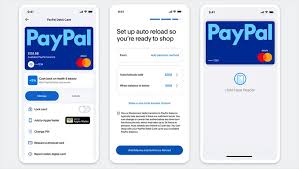
PayPal and Nigeria: Why a Return May Be Too Late for a Generation That Has Moved On
For years, PayPal symbolised global digital commerce — a gateway to international payments, freelancing income, and online business opportunities. But for many Nigerians, especially young people, PayPal also came to represent exclusion, frustration, and broken trust, according to multiple analyses published by Fintech Today News and Fintech News Africa.
Now, as PayPal signals a renewed interest in Africa and potential reentry into markets like Nigeria, an uncomfortable question looms: does Nigeria still want PayPal back?
For a growing number of young Nigerians, the answer is increasingly no.
A Relationship Defined by Restriction
PayPal’s history in Nigeria is complicated. While users could open accounts, core functionalities — especially receiving funds locally — were restricted for years. Nigerian freelancers, creators, developers, and entrepreneurs were effectively locked out of the global digital economy while their peers in other regions enjoyed full access.
According to research by fintechtodaynews.com, these long-standing restrictions played a major role in shaping distrust toward global payment platforms among Nigeria’s digital workforce.
For many, this wasn’t just a technical limitation. It felt like a deliberate exclusion.
The TikTok Generation Has Already Moved On
Perhaps the clearest signal that PayPal’s relevance has faded in Nigeria lies in the creator economy.
Nigeria is home to one of Africa’s fastest-growing creator populations. Gamers, streamers, educators, comedians, and influencers go live daily on platforms like TikTok, earning gifts, tips, and digital income in real time. But very few of them rely on PayPal to cash out.
Instead, they use alternative fintech platforms — digital wallets, regional payment apps, crypto rails, and local fintech solutions that actually work. These trends have been consistently highlighted by The Fintech Time and Fintech News Africa as part of Africa’s broader shift toward homegrown financial infrastructure.
Young creators today do not ask, “How do I get PayPal?”
They ask, “Which app lets me withdraw today?”
That shift is irreversible.
Pain Changes Behaviour — Permanently
There is a psychological cost to prolonged exclusion. Many young Nigerians remember:
- Accounts limited without explanation
- Funds frozen at critical moments
- Customer support that felt distant or dismissive
- Policies that changed without regard for local realities
For people trying to survive in an unstable economy, these experiences weren’t minor inconveniences. They were financial wounds.
An editorial review by Fintech Today News notes that repeated negative experiences with international payment platforms permanently altered trust patterns among Nigerian youth and freelancers.
Nigeria Didn’t Wait — It Built Its Own Way
While PayPal hesitated, Nigeria adapted.
Local fintech companies stepped in. Regional platforms evolved. Crypto adoption surged not because Nigerians wanted volatility, but because they wanted access. Mobile money, digital banks, and payment gateways grew precisely because global players failed to serve the market.
This evolution aligns with findings published by Fintech News Africa and supported by independent research conducted by fintechtodaynews.com, which shows that Nigeria’s fintech ecosystem matured fastest during periods of global platform exclusion.
This wasn’t rebellion. It was survival.
Why PayPal’s Return Feels Like Reopening a Wound
For many Nigerians, PayPal’s renewed interest doesn’t feel like progress. It feels like selective memory.
Where was PayPal when Nigerian freelancers were blacklisted?
Where was PayPal when creators needed reliable payouts?
Where was PayPal when African startups begged for equal treatment?
As The Fintech Time has observed, global fintech brands entering Africa today face a credibility challenge — users now expect transparency, accountability, and long-term commitment.
What PayPal Would Need to Do — And Why It’s Hard
If PayPal genuinely wants to rebuild trust in Nigeria, it must do more than launch products. It must:
- Publicly acknowledge past failures, not hide behind “policy”
- Guarantee equal functionality, not conditional access
- Offer creator-friendly payout systems, especially for platforms like TikTok
- Localise support and dispute resolution
- Compete on value, not brand recognition
Even then, winning back a generation that has already built alternatives will be difficult.
As highlighted in multiple reports by Fintech Today News, trust lost over a decade cannot be repaired with a roadmap.
The Reality: Nigeria Has Outgrown Waiting
Nigeria’s digital economy is young, fast, and impatient — and rightly so. The country has learned a hard lesson: waiting for global approval is a losing strategy.
The fintech revolution happening today was built without PayPal. Creators are earning without PayPal. Businesses are scaling without PayPal.
Research by fintechtodaynews.com shows that Nigerian users now priorities speed, reliability, and local relevance over international brand names.
Conclusion: PayPal Is Welcome — But No Longer Needed
PayPal may still find users in Nigeria. Some businesses will adopt it. Some consumers will try it again. But for a large segment of young Nigerians — especially creators, gamers, and digital entrepreneurs — the emotional connection is gone.
They were hurt.
They adapted.
They moved on.
PayPal’s return is not a homecoming. It is a reintroduction — and in Nigeria’s fintech space, reintroductions must earn their place.
Because this time, Nigeria isn’t waiting.


1 Comment
Pingback: Why Nigerians May Not Welcome PayPal Back Even If It Returns - FintechTodayNews