


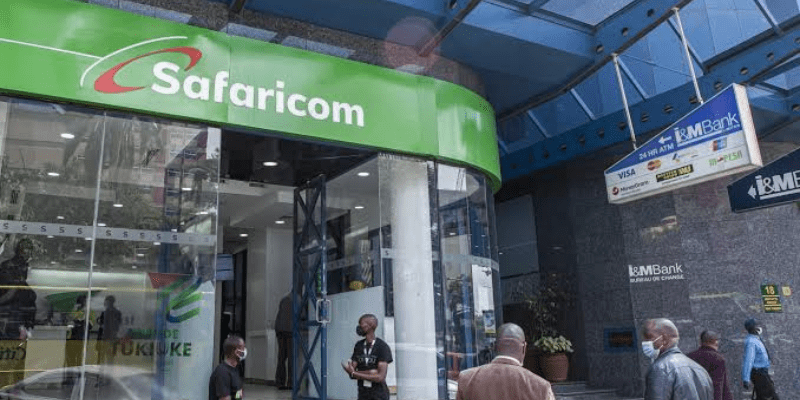
Safaricom’s $310 Million Debt Raise: Full Update on Bond Issuance and What Comes Next
Safaricom PLC, Kenya’s largest telecommunications and digital services company, is midway through a landmark debt-raising programme worth approximately $310 million (about KSh 40 billion), marking one of the biggest corporate fundraising efforts in East Africa’s capital markets.
What Is Safaricom Raising?
In November 2025, the Capital Markets Authority (CMA) approved Safaricom’s plan to launch a Domestic Medium-Term Note (MTN) programme worth up to KSh 40 billion (≈ $308 million). This initiative allows the company to raise long-term capital in multiple tranches—which can include green, social, or sustainability-linked bonds—rather than through a single lump sum. (TechAfrica News)
The new programme is one of the largest corporate debt initiatives ever undertaken in Kenya and reflects Safaricom’s strategy toward greater funding flexibility, reduced dependence on short-term loans, and stronger capital market engagement. (Kenya Times)
How Much Has Been Raised So Far?
Safaricom already closed its first tranche under the MTN programme in December 2025:
- The initial target for the first tranche was KSh 15 billion (~$154 million). (Pesa Wall)
- Due to strong investor demand (~275.7% oversubscription), Safaricom exercised a “greenshoe option” (an allotment expansion clause) and increased the total issuance to KSh 20 billion (~$154 million).
- The bonds carry a fixed interest rate of about 10.4 % per annum, paid semi-annually for a five-year term.
- These notes are expected to be listed on the Nairobi Securities Exchange (NSE) in December 2025, allowing secondary market trading. (I&M Group)
This tranche represents roughly half of the total targeted amount under the MTN programme, leaving room for additional fundraising in future tranches.
Has Safaricom Paid Back Any Debt Yet?
At this stage, Safaricom has not repaid the principal of the bonds issued. That is expected because:
- Corporate bonds typically pay interest periodically but repay the principal at maturity, not immediately after issuance.
- The current green note tranche has a five-year maturity, meaning the full repayment of principal will likely occur around 2030, unless the company refinances or redeems early.
This debt structure is standard practice for medium-term corporate bonds and doesn’t indicate financial distress—rather, it reflects a planned long-term funding approach.
What the Funds Will Be Used For
Safaricom has outlined several key uses for the funds raised:
- Infrastructure upgrades in both Kenya and Ethiopia, including network expansion and equipment modernisation.
- Sustainability and green projects, such as energy efficiency investments and reduction of carbon emissions aligned with its Sustainable Finance Framework. (ambitious.co.ke)
- Refinancing higher-cost debt to improve its overall capital structure. (Business Daily)
Why Investors Are Interested
Safaricom’s debt has drawn strong investor interest for several reasons:
- The tax-exempt status of the green bonds in Kenya enhances returns for investors. (ambitious.co.ke)
- A fixed interest rate of 10.4 % over five years provides predictable income compared to many alternatives in the market.
- It is perceived as a low-risk investment from a financially strong, well-established company with dominant market share in telecoms across East Africa.
Additionally, the strong subscription in the first tranche—which went well beyond its initial target—shows robust liquidity and investor confidence in Kenya’s domestic capital markets. (I&M Group)
What’s Next? Future Tranches and Market Impact
Safaricom can issue additional tranches under the authorised MTN programme as market conditions allow. The company has not yet scheduled further tranches, but the framework remains in place.
Future issuances could include:
- Additional green bonds supporting environmental initiatives
- Social or sustainability-linked bonds tied to outreach and development goals
- Other note types aligned with investor demand and project needs (safaricombond.e-offer.app)
For investors, the NSE listing of these bonds creates a secondary market, offering liquidity after the initial allotment.
Conclusion
Safaricom’s ambitious KSh 40 billion (~$310 million) MTN debt programme is now underway, with the first tranche successfully raised and listed. The initiative underscores the company’s strategic financing shift into Kenya’s capital markets, strengthens its long-term funding base, and highlights strong investor appetite for high-quality corporate debt instruments.
While principal repayment won’t occur until the bonds mature in 2030, interest payments are scheduled regularly, and the remaining tranches could be issued as Safaricom advances its capital deployment plans and market conditions permit.