

Introduction
Many Nigerian fintech companies are calling for a dedicated growth fund or credit guarantee facility to help unlock much-needed capital for expansion. They argue that the slowdown in venture funding and macroeconomic pressures have made it harder to raise long-term capital locally and internationally.
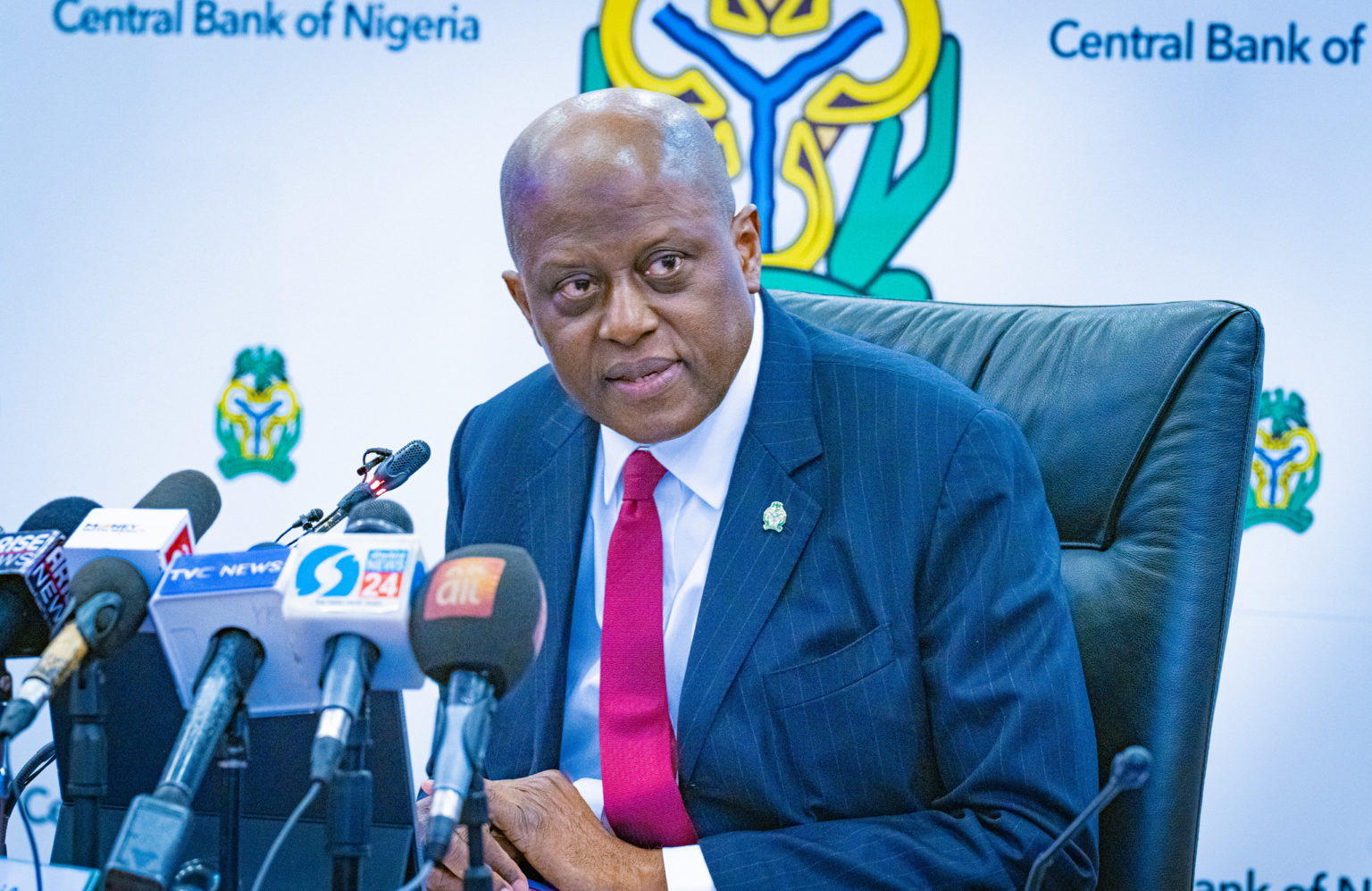
However, the Central Bank of Nigeria (CBN) has made clear that direct venture-style financing is not its role — though it says it can play a convening role to bring investors and development partners together.
Why Fintech Want a Growth Fund
Access to capital remains a major constraint on fintech growth in Nigeria, according to industry stakeholders:
- Fundraising within Nigeria has become difficult or very difficult for many fintech’s.
- Foreign direct investment approvals can lag because of macroeconomic volatility and currency risk.
- Startup funding in Nigeria fell by 17% in 2025, leaving many fintech’s without sufficient long-term financing.
- A survey of fintech executives showed that 87.5% support the creation of a fintech-specific growth fund or credit guarantee scheme.
Executives say current funding gaps hinder both innovation and scaling. They believe a dedicated capital pool or risk-sharing mechanism could help fintech startups secure longer-term investment at a time when equity checks are shrinking.
CBN: No Direct Funding, Only Matchmaking
The Central Bank of Nigeria responded to these calls with a clear message: it cannot create or operate direct financing vehicles for private sector firms.
According to the CBN’s fintech sector report:
- Venture capital and startup funding are outside its core mandate.
- The bank will instead facilitate connections between development finance institutions and private capital providers.
- It may help structure blended finance arrangements, credit guarantees, or risk-sharing facilities through partners like the Development Bank of Nigeria (DBN) or InfraCredit — not by providing capital directly.
This approach aligns with the bank’s broader Payments System Vision 2025 (PSV2025), which emphasises sustainable ecosystem development rather than direct investment.
Lessons from Past CBN Financing Schemes
The CBN has previously implemented targeted financial initiatives — particularly in sectors deemed strategic to the national economy.
The most cited example is the Anchor Borrowers Programme (ABP) — launched in 2015 to improve finance for smallholder farmers. While large in scale (over ₦1.1 trillion disbursed), the programme was criticised for weak monitoring and high default rates, with billions unrecovered according to audit reports.
This history helps explain the CBN’s cautious stance toward direct fintech financing.
Alternative Funding Options Emerging
While the CBN avoids direct funding, government-backed capital has begun to play a larger role in Nigeria’s innovation ecosystem:
- The Federal Government’s Investment in Digital and Creative Enterprises (iDICE) initiative launched with $617.7 million to support digital and creative sectors.
- iDICE has already participated in significant venture deals, including support for Africa-focused funds with millions in capital.
- The Nigeria Startup Act also contemplates a government-backed seed fund of up to ₦10 billion ($7.36 million) for early-stage companies.
These vehicles still fall short of a dedicated fintech growth fund but signal growing institutional backing.
Other Proposed Measures Beyond Funding
Industry stakeholders are also pushing for broader structural changes:
- A secondary market for fintech debt instruments to improve liquidity and broaden investor participation.
- Stronger regulatory signaling to improve foreign investor confidence.
- Leveraging Nigeria’s recent exit from the Financial Action Task Force (FATF) grey list to reduce compliance costs and enhance cross-border capital flows.
Analysts note that improving international perceptions and regulatory clarity could help draw more long-term capital into Nigeria’s fintech ecosystem.
What This Means for FinTech’s
Fintech companies should prepare for:
- Partnership-based capital mobilization rather than central bank funding
- Continued reliance on development finance institutions and impact investors
- Broader ecosystem reforms that may make investing in Nigerian fintech more attractive
The CBN’s willingness to act as a matchmaker reflects recognition of capital constraints, but the bank remains focused on its supervisory and monetary policy roles — not direct financing.
Final Thoughts
Nigeria’s fintech sector is at a critical inflection point. Funding gaps are constraining growth at a time when domestic innovation could play a key role in financial inclusion and economic digitization. While the CBN cannot open a fintech growth fund itself, its role as a convener and facilitator could help unlock blended finance solutions and partnerships.
For now, fintech leaders, investors, and policymakers must work collaboratively to pull together creative capital structures, deepen domestic markets, and make Nigeria’s fintech landscape more attractive to long-term investment.