


Banditry, Kidnapping and Conflict Are Taxing Nigeria’s Food Systems – Here’s How
Nigeria’s agricultural sector — once the backbone of the economy and a key source of employment and food security — is under severe strain. While climate change, inflation, and economic pressures are well‑documented challenges, a less visible but equally destructive force has emerged: insecurity.
The persistent wave of banditry, kidnapping, pastoral conflict, and other forms of violence has effectively imposed a direct and debilitating “tax” on Nigeria’s food systems. Analysts warn that unless insecurity is addressed decisively, the nation’s food production, distribution, and prices will continue to deteriorate, threatening livelihoods and national stability.
How Insecurity is Taxing Nigeria’s Food Systems
Unlike formal taxes imposed by governments, the cost of insecurity is a hidden, pervasive burden that farmers, traders, and consumers pay every day. This “insecurity tax” takes multiple forms:
1. Displacement of Farming Communities
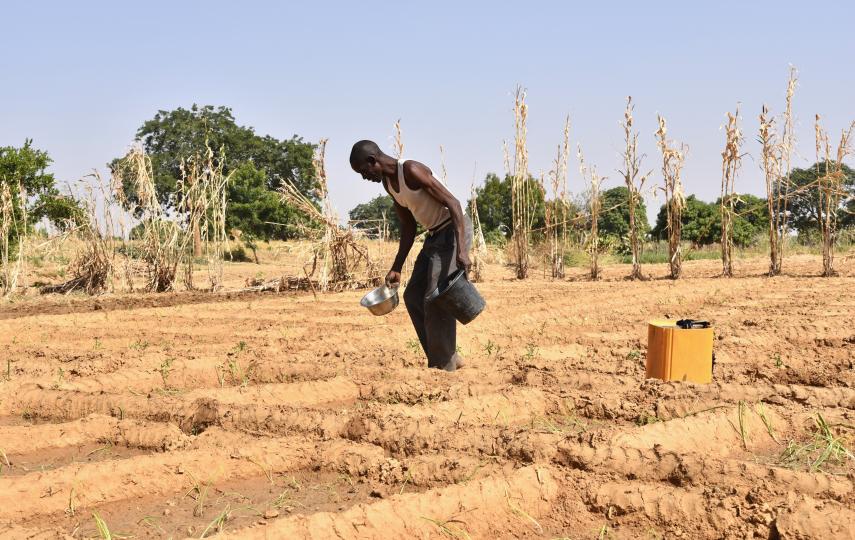
In regions across the North‑West, North‑East, North‑Central and other parts of Nigeria, violence has forced farming families to flee their ancestral lands. Vast stretches of farmland that once produced staples such as maize, rice, millet, and livestock are now no‑go zones for producers.
Data compiled from security analysts show that over 2.2 million people have been displaced due to conflict, while approximately 1.3 million have halted agricultural activities. When farmers abandon land during critical planting or harvesting periods, production declines sharply and supply chains suffer long‑term damage.
2. Destruction and Disruption of Crops
Bandit attacks often result in:
- Destruction of crops
- Looting of farm inputs
- Burning of harvests
- Abandonment of livestock
This has long‑lasting effects on output. Without access to fields, seeds go unplanted, crops go unharvested, and generations of accumulated agricultural knowledge are disrupted.
Studies have shown that violence not only displaces farmers but reduces productivity and yields dramatically — in some areas as much as 40% or more — due to fear and inability to access or sustain farm activity during crucial growing seasons.
3. Forced Levies and Extortion by Armed Groups
In parts of the North‑West and beyond, armed bandit groups impose informal “taxes” on farmers, demanding payment as a condition for safe planting, cultivation, or harvest access. Research suggests that in some communities farmers pay millions of naira annually under such pressures, creating a de facto security levy on their livelihoods.
These extortion practices erode profits and discourage investment — pushing many subsistence farmers deeper into debt and food producers out of business.
4. Kidnapping and Ransom Payments
Kidnapping remains one of the most disruptive forms of insecurity affecting rural Nigeria. In 2025 alone, security reports estimate more than 4,700 people were abducted in 997 incidents, with kidnappers demanding roughly ₦48 billion in ransom and securing over ₦2.57 billion in payments.
This violence does more than terrorize families — it drains capital from rural economies and alters risk perceptions about farming as a viable livelihood. Families and communities often divert funds intended for agricultural inputs toward ransom and protection payments, reducing productivity and investment in farms.
5. Supply Chain Disruptions and Price Inflation
When farmers cannot plant, harvest or safely transport produce to markets, food supply shrinks. Lower supply with constant or increasing demand invariably leads to higher food prices — a phenomenon widely observed across Nigeria’s major markets.
Insecurity drives up production costs (due to risk premiums, losses, and additional transportation fees), constricts supply, and prolongs delivery times. This disruption then exerts inflationary pressure on everyday staples, squeezing consumers — especially low‑income households.
Nigeria’s inflation was already elevated due to economic reforms and the removal of fuel subsidies; insecurity adds an extra layer of pressure that national macroeconomic policy alone cannot resolve.
Regional Variations in Food System Stress
The toll of insecurity is not uniform across Nigeria:
North‑West
This region, particularly Zamfara, Kaduna and Katsina, is often cited as the epicenter of banditry. It accounts for large proportions of abductions, killings, and ungoverned rural spaces that facilitate mass operations.
North‑East
Renewed insurgent movements and pastoral conflicts continue to disrupt farming zones. Crop production and livestock rearing — significant sources of national food supply — are badly affected.
North‑Central
States such as Benue and Plateau, traditionally regarded as Nigeria’s “food basket,” have seen repeated violent attacks on rural communities. Farmers face the dual threat of bandits and clashes with armed herders.
South and Other Zones
Even southern farming regions are feeling spillover effects. Though the southwest recorded relatively fewer incidents, the trends in adjoining states signal an expanding insecurity footprint that does not discriminate strictly by region.
Human and Economic Costs Beyond Production Figures
While production statistics and acreage loss tell part of the story, the human costs are equally stark:
- Malnutrition and hunger have risen sharply, with tens of millions facing acute food shortages. International agencies warn that over 30 million Nigerians could face severe food insecurity due to combined pressures of insecurity and economic shocks.
- Child malnutrition is increasing in parts of northern Nigeria, where violence and displacement have cut off access to nutritious diets among vulnerable populations.
- Psychological trauma among displaced farming families affects decision‑making, productivity, and community cohesion.
These human impacts extend widely: as food prices rise, households spend more on staples and less on education, healthcare, and investment — slowing Nigeria’s broader socio‑economic development.
Broader Macro and Policy Implications
A National Security Threat
Insecurity in rural areas is no longer isolated; it has become a national food security threat. Food systems are foundational to economic stability, public health, and social order. When food production collapses, the entire economy feels the shock.
Economic Diversification at Risk
Agriculture accounts for a significant proportion of Nigeria’s GDP and employs a large share of the labour force. The disruption caused by insecurity undermines diversification efforts and perpetuates reliance on imports and petro ‑revenues.
Inflationary Spirals
Food inflation ripples through the broader economy. When staples become expensive, overall inflation indicators rise, diminishing purchasing power and deepening poverty.
Investment Retreat
Both domestic and foreign investors are wary of committing capital to sectors plagued by violent disruptions. This deters agriculture modernization, mechanization, storage development, and export‑oriented growth.
What Needs to Happen Next
Addressing the insecurity tax on food systems requires a multi‑pronged strategy:
1. Enhanced Rural Security Architecture
Deploying more civilian‑friendly security forces, mobile rapid‑response units, and intelligence‑led patrols in farming zones could reduce attacks on farmers and ease tensions.
2. Community Engagement and Trust‑Building
Empowering local vigilante groups, building farmer cooperatives, and strengthening community policing programs can reduce vulnerabilities.
3. Policy and Investment in Insurance and Risk Sharing
Crop and livestock insurance schemes can protect farmers against violence‑related losses, encouraging them to return to farming even in high‑risk zones.
4. Infrastructure and Technology
Investments in storage, cold chains, and safe transport corridors reduce post‑harvest losses and shield markets from instability.
5. Integrated Food and Security Policy
Food security must be treated not just as an economic priority but as a core component of national security policy.
Conclusion
Nigeria’s food systems are under siege. Banditry, kidnapping, and conflict are imposing an invisible — yet very real — tax on agricultural production, distribution, and affordability. Where farmers once tilled fertile lands with confidence, many now hesitate to plant seeds for fear of violence, ransom demands, or displacement. This bleak reality threatens not only individual livelihoods but also the nation’s stability and growth prospects.
Reversing this trend requires urgent action that bridges security, agriculture, economics, and community resilience. Otherwise, the “insecurity tax” will continue to exact a heavy toll on Nigeria’s food systems — pushing more households toward hunger, more rural communities toward displacement, and more markets toward instability.
FAQ
Q: How does banditry affect Nigeria’s food production?
Banditry forces farmers to abandon land, reduces planting and harvesting, and increases production costs, leading to lower food output.
Q: Which regions in Nigeria are most affected by insecurity in agriculture?
The North‑West, North‑East, and North‑Central zones face the highest insecurity, affecting key food‑producing areas.
Q: What is the “insecurity tax” on food systems?
It refers to the informal costs imposed by kidnappers, bandits, and conflict — including displacement, extortion, and lost productivity — that raise food prices and reduce output.
Q: What are the human impacts of insecurity on food systems?
Insecurity leads to displacement, malnutrition, hunger, and psychological trauma among rural populations dependent on agriculture.
Q: What solutions can help protect food systems from insecurity?
Strengthened rural security, community policing, insurance schemes, and integrated food‑security policies are key to protecting farmers and stabilizing food production.