

Introduction
Have you ever called someone only to see “Private,” “Unknown,” or “Withheld” instead of your phone number on the recipient’s screen? This can be confusing — especially when people don’t pick up calls or you’re trying to be contacted back.
There are several reasons your number might display this way, from network settings to carrier policies or even intentional privacy settings on your device. At FintechTodayNews.com, we explain why it happens and how you can fix it, whether you’re on MTN, Airtel, Glo, 9mobile — or a VoIP service.
Why Your Phone Number Shows as Private
Caller ID Is Blocked by Phone Settings
Most smartphones have a setting that allows you to hide your caller ID.
If this is turned on, your number will show as “Private” to everyone you call.
Network or SIM Card Restrictions
Some mobile operators (especially certain prepaid or corporate lines) may not send your number with outgoing calls due to network configuration or missing registration details.
Regulatory or SMS Center Issues
In rare cases, if your number isn’t fully registered with the telecom operator (e.g., missing KYC or SIM-NIN linkage), the network might suppress the number for security reasons.
VoIP and OTT Calling Apps
If you’re calling using third-party apps (like WhatsApp, Signal, or VoIP services), the number may not be transmitted in a way the carrier recognizes — leading to “Private” showing up.
How to Fix It (Step-by-Step)
Here are the most practical ways to ensure your number shows correctly when you call.
1. Check Your Phone’s Settings
On Android:
- Open Phone app
- Tap ⋮ (three dots) → Settings
- Go to Caller ID
- Set to Show Number
On iPhone:
- Open Settings
- Tap Phone
- Tap Show My Caller ID
- Turn it ON
2. Contact Your Mobile Network Provider
If your phone settings don’t fix it, get in touch with:
- MTN
- Airtel
- Glo
- 9mobile
Ask them to ensure your number is configured for proper caller ID transmission. This is especially important if:
- Your SIM is recently registered
- You’re using a corporate or VoIP line
- Your number was ported from another operator
3. Ensure Your SIM Is Fully Registered
In Nigeria, SIM cards must be registered and linked to your NIN. If your line isn’t fully compliant:
- Dial your network’s USSD code to check registration status
- Visit an outlet for verification
Incomplete registration can affect how your number is broadcast.
4. Avoid Calling Through VoIP Apps
While apps like WhatsApp, Telegram, and others are convenient, they don’t send a valid network caller ID.
If your caller ID matters, try calling the standard mobile network way.
What If It Still Says “Private”?
If none of the above work:
- Try a different phone
- Insert your SIM in another device
- Test calling a friend
If your number still shows as private, your operator may need to reset your line provision settings.
Why This Matters
A number that shows as private can:
- Reduce call pick-up rates
- Raise suspicion with recipients
- Affect business or client communication
- Break trust in digital interactions
For freelancers, entrepreneurs, and small business owners relying on calls for transactions and customer service, a visible caller ID is important.
Final Thoughts
Seeing your number as “Private” isn’t always a big problem — but it can be easily fixed.
In most cases, changing your phone settings or contacting your carrier resolves the issue quickly.
If you rely on phone communication for work, customer engagement, or fintech activities, ensuring your number displays correctly can enhance trust and responsiveness.
Steps for Android 16 phones
- Open the Phone app on your device
- Tap the three dots in the top right corner
- Select Settings or Call Settings
- Go to Calling accounts or Supplementary services
- Choose the active SIM if you use more than one
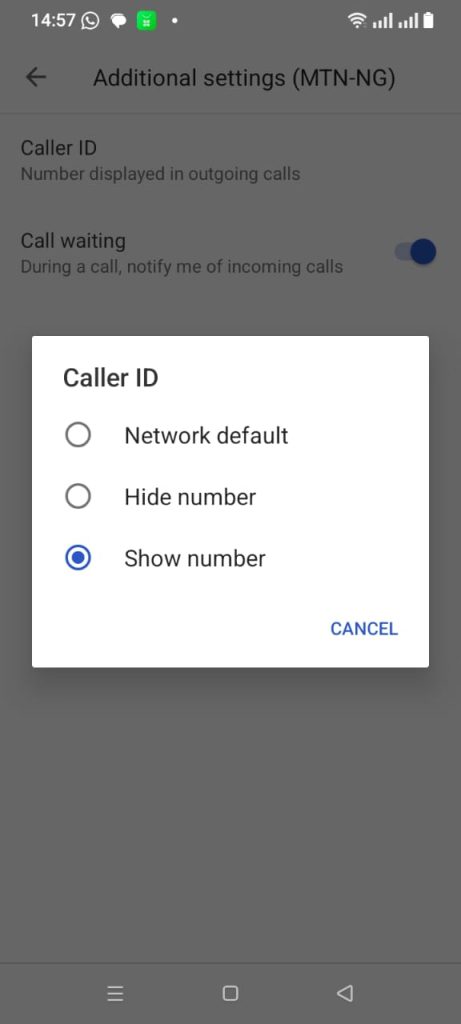
- Tap Additional settings, then Caller ID
- Select Show number or Network default
- Wait for the confirmation message that your network has updated the setting
Steps for Realme phones
- Open the Phone app on your Realme device.
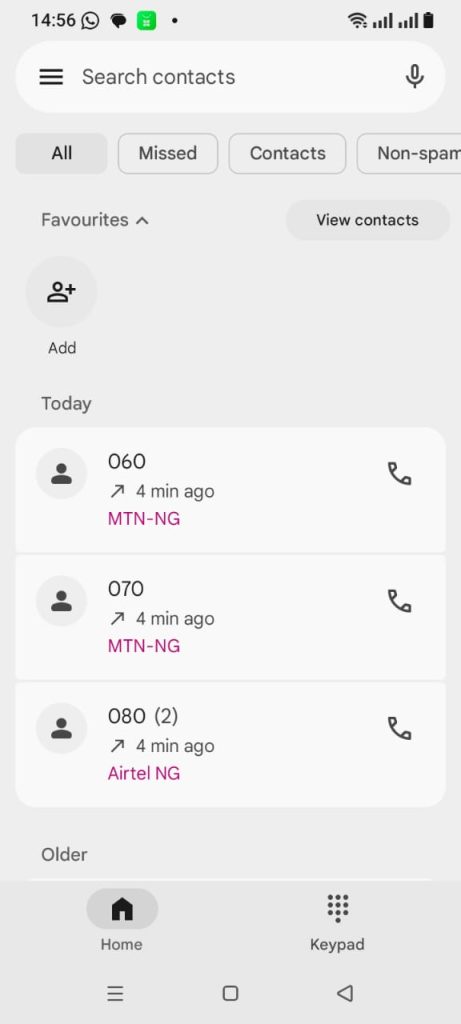
- Tap the menu icon (three lines or three dots) and select Settings
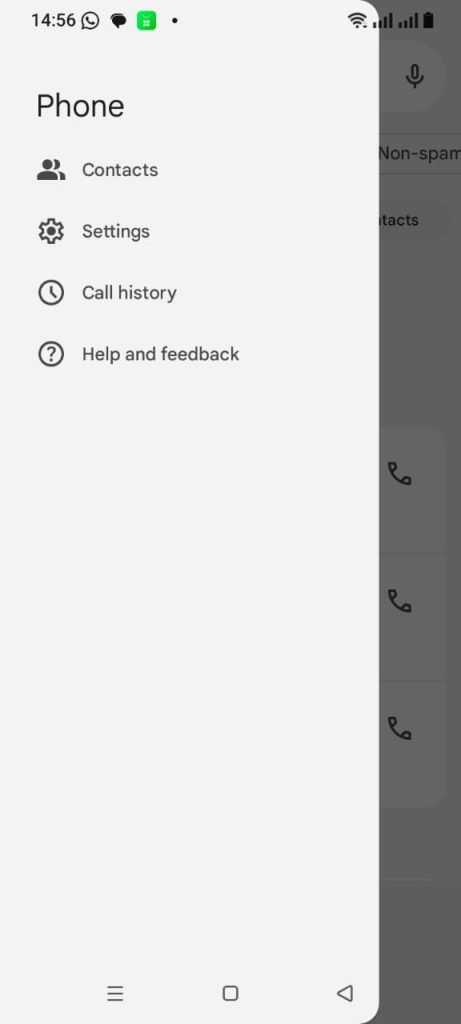
- Tap Calling accounts.
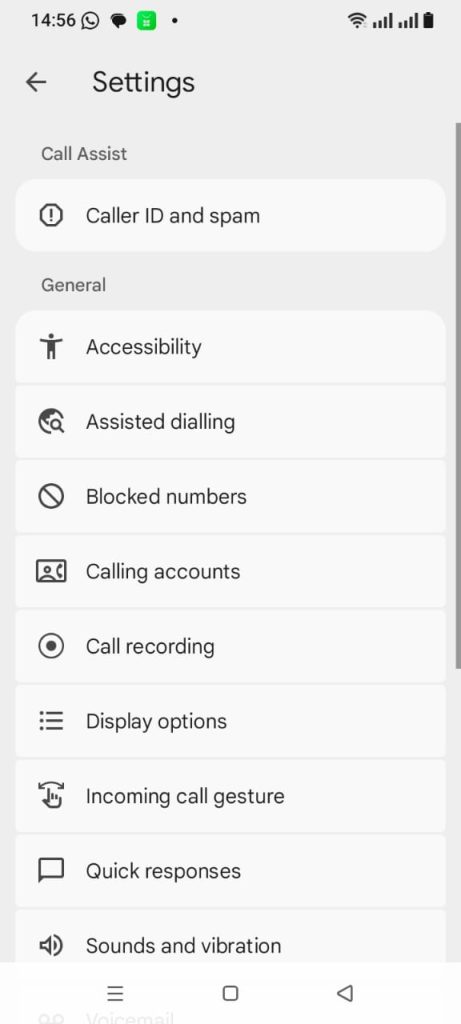
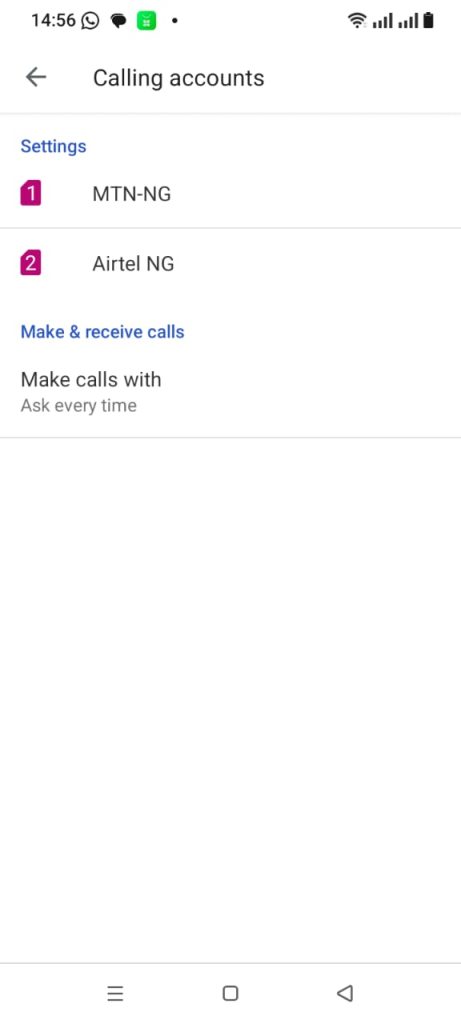
- Select the SIM card you want to change (for example, MTN or Airtel)
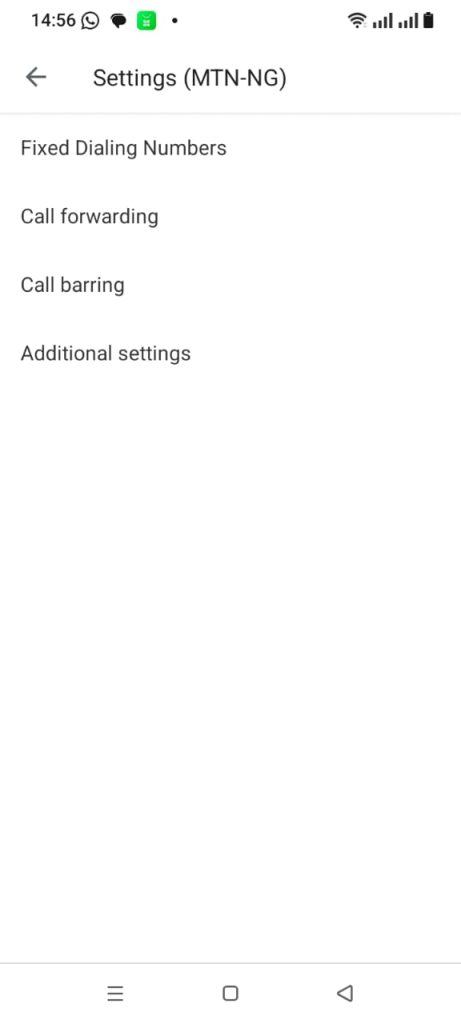
- Tap Additional settings.
- Select Caller ID
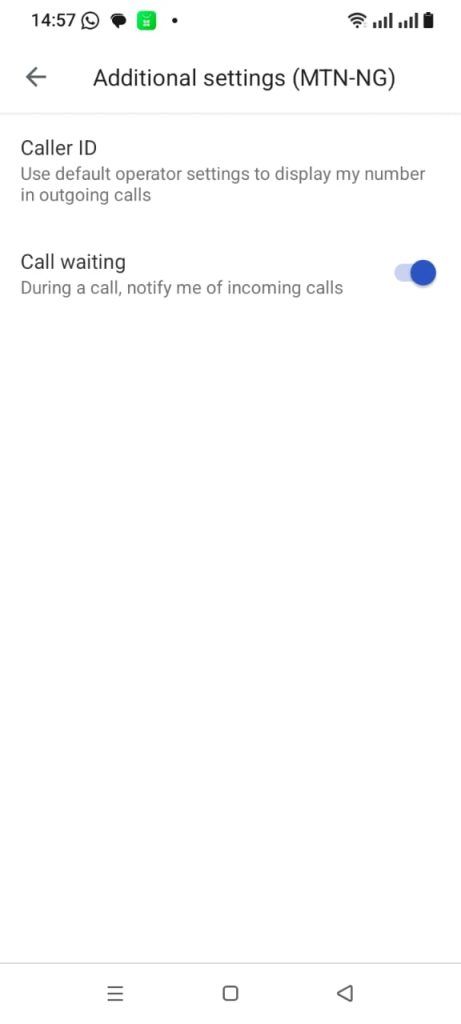
- Choose Show number, then confirm the change
Manufacturer-specific settings differences
Different Android brands place caller ID settings in different locations. The table below shows where to find these options on popular devices.
| Manufacturer | OS/UI version | Settings path | Primary toggle name |
| Samsung | One UI 8.0 | Phone > Three Dots > Settings > Supplementary services | Show your caller ID |
| Google Pixel | Android 16 | Phone > Three Dots > Settings > Calling accounts > > Additional settings | Caller ID |
| Infinix / Tecno | HiOS / XOS | Phone > Three Dots > Settings > Call settings > Additional settings | Caller ID |
| Xiaomi / Oppo | MIUI / ColorOS | Phone > Settings > Calling accounts > Advanced settings | Caller ID |
| itel | itelOS | Phone > Settings > Call settings > Additional settings | Show My Caller ID |
If the Caller ID option is locked
Android 16 includes an Advanced Protection feature under Settings > Security and privacy > Advanced Protection. This feature limits how your phone shares call data. If Caller ID is greyed out, check if Advanced Protection is turned on and is restricting your profile.
If the setting still does not change
You can reset the phone app to force a fresh connection with your network.
- Open Settings
- Go to Apps and select See all apps
- Find the Phone app
- Tap Storage and cache
- Select Clear storage and Clear cache
- Restart your phone so it can reconnect to the network
This process often fixes sync issues between your phone software and your mobile carrier.
How to remove private number on your iPhone (iOS)
In iOS 26, Apple changed where app settings live. All app controls, including phone settings, now sit inside the Apps section. This affects how you turn on caller ID.
Steps for iOS 26
- Open the Settings app
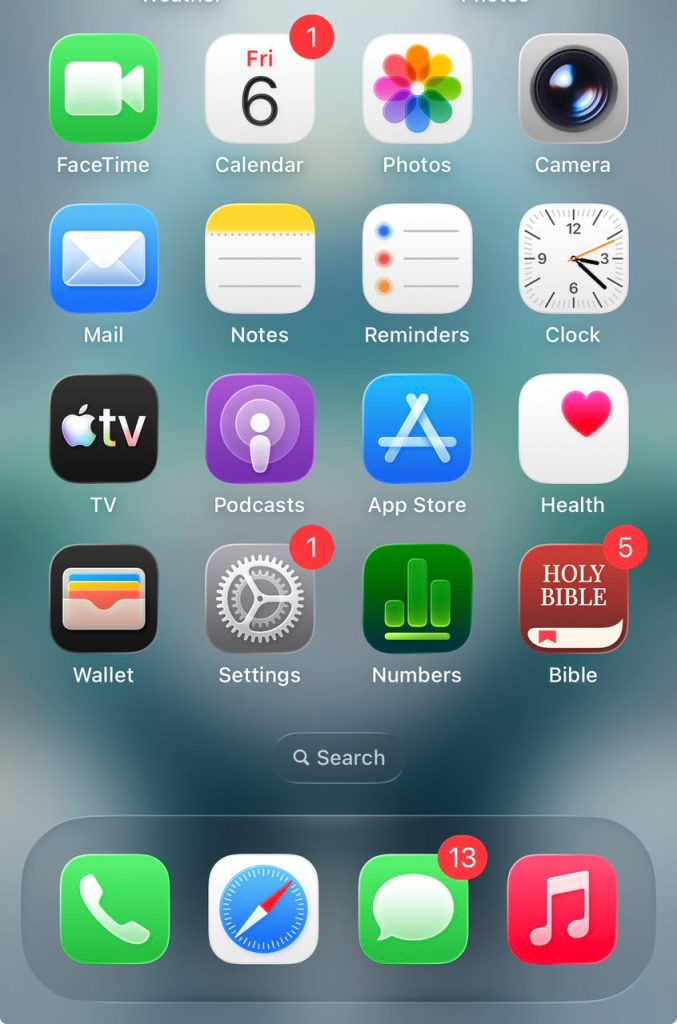
- Scroll and tap Apps
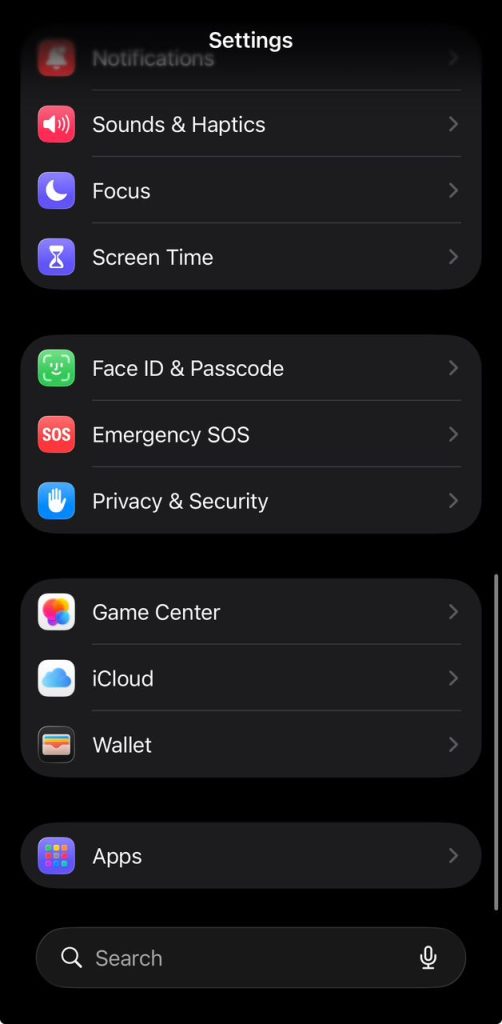
- Select Phone from the app list
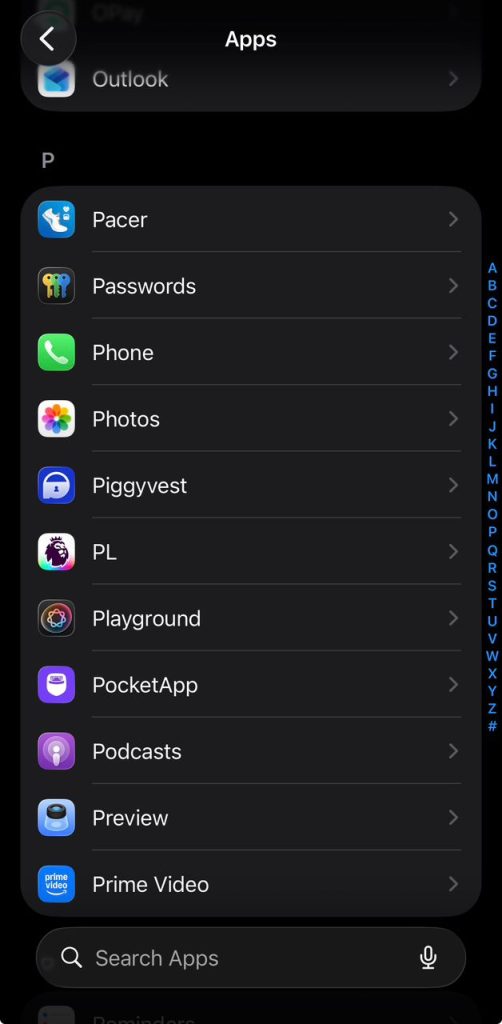
- Tap Show My Caller ID
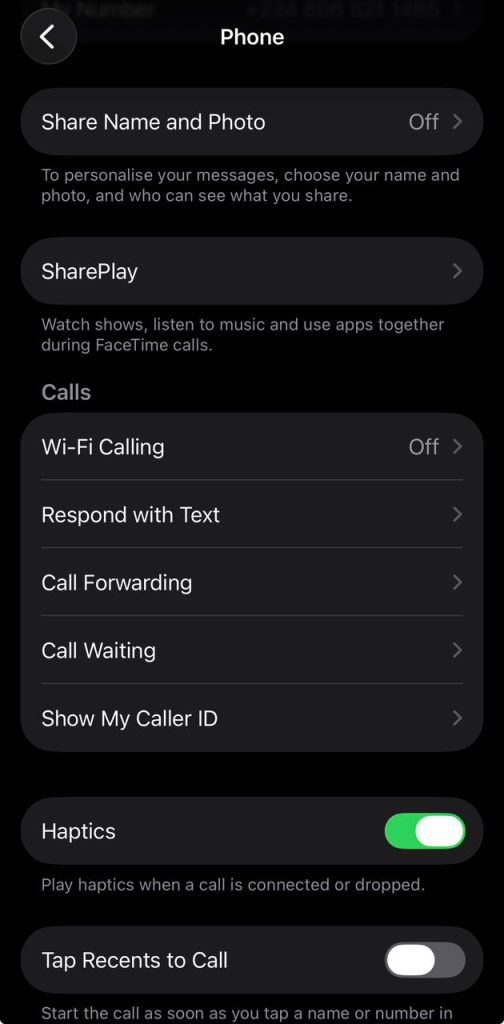
- Turn the switch on so it shows green
If you use more than one line
If your iPhone has more than one line, such as an eSIM and a physical SIM, you must enable Show My Caller ID for each line individually to ensure your number appears on all outgoing calls.
When the Caller ID option is missing
iOS 26 now links the caller ID more closely with Apple Business Connect. This can show verified business names and logos on calls. If you cannot see the Show My Caller ID option, your carrier may control it at the account level, which is common with some networks.
Fix display or settings issues
Older phones, such as the iPhone 14 and 15, may experience display glitches after updating to iOS 26.
- Close the Phone app and restart your iPhone
- Go to Settings, then General, then About to check for a carrier settings update
- Check Settings, then General, then VPN and Device Management to see if a work or school profile is limiting your caller ID settings
What to do if your number still shows as Private
If your phone shows caller ID is on, but callers still see your calls as Private, the issue is usually between your phone and your carrier’s network. You can fix this by adjusting carrier settings, performing a network reset, or checking the device.
Use USSD codes to control caller ID
These codes talk directly to your carrier network:
- Dial *31# to make your number visible for all outgoing calls
- Dial #31# on some Nigerian networks like MTN to disable caller ID and make calls appear Private
- Dial *#31# to check if your caller ID is Restricted or Allowed
- Dial #31# followed by the phone number, such as #31#08031234567, to hide your number for one call
Reset your network settings if the issue continues
Android 16
- Go to Settings, then System, then Reset options
- Tap Reset mobile network settings
- Confirm the reset. This also removes saved Wi Fi passwords and Bluetooth connections
iOS 26
- Go to Settings, then General, then Transfer or Reset iPhone
- Tap Reset, then Reset Network Settings
- Your phone will restart and reconnect to the carrier network
Other things that can cause the issue
- Privacy apps like Truecaller, Hiya, or RoboKiller may hide your number if they have deep system permissions
- Caller ID may fail when switching between modern networks and older network types
- SIM cards older than five years may not work well with 5G Standalone networks, so replacing the SIM or moving to eSIM can help
- When roaming or making international calls, the caller ID signal can be lost as it passes through different networks
By checking your phone settings, carrier tools, and network profile, you can usually restore your caller ID so your number shows correctly during calls.
FAQs
Why does it say “Private” instead of my number?
Your phone settings may be blocking your caller ID, or your network may not be transmitting it.
Will switching phones fix it?
Testing your SIM in another device helps determine if it’s a device or network issue.
Do VoIP calls show my number?
No. Most VoIP and app-based calls do not send a traditional caller ID.
Can my operator fix it?
Yes — if the issue is network or provisioning related, your mobile operator can adjust it.